The River Calls
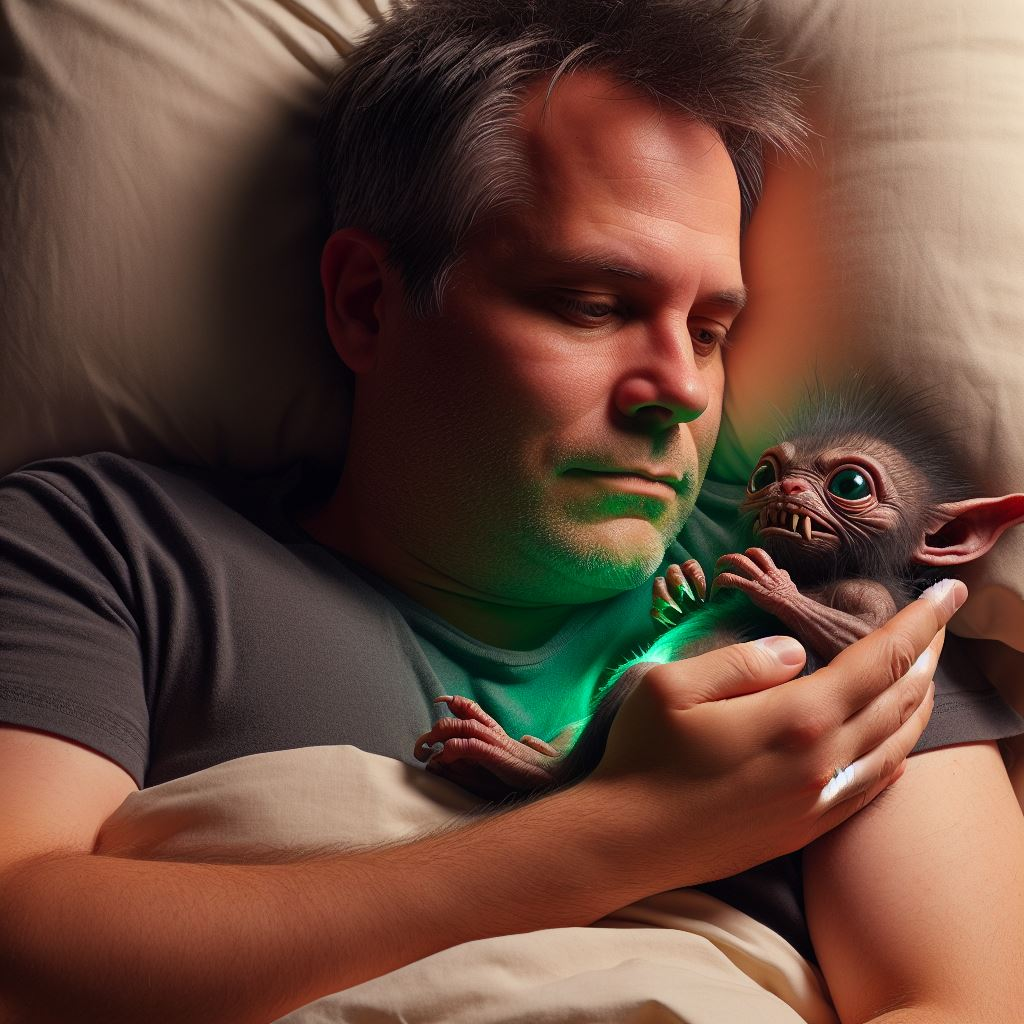
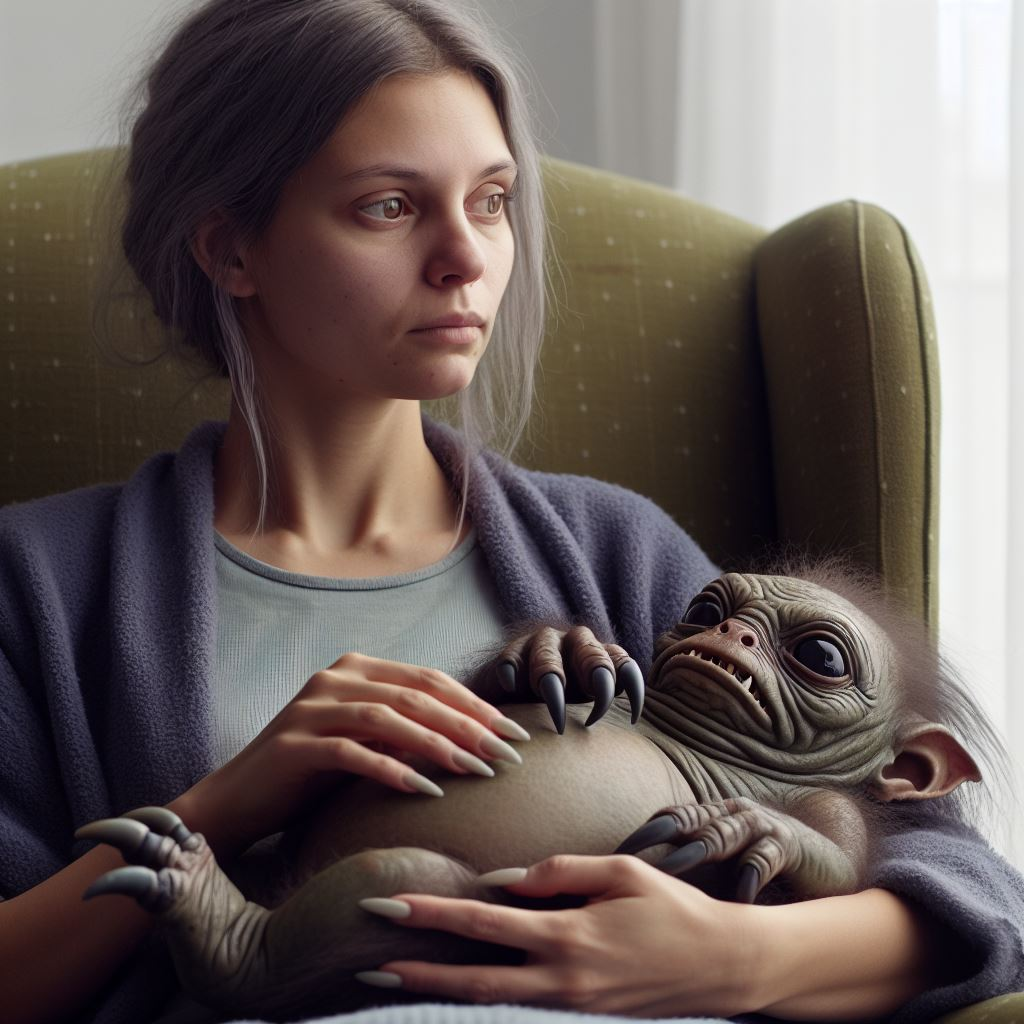
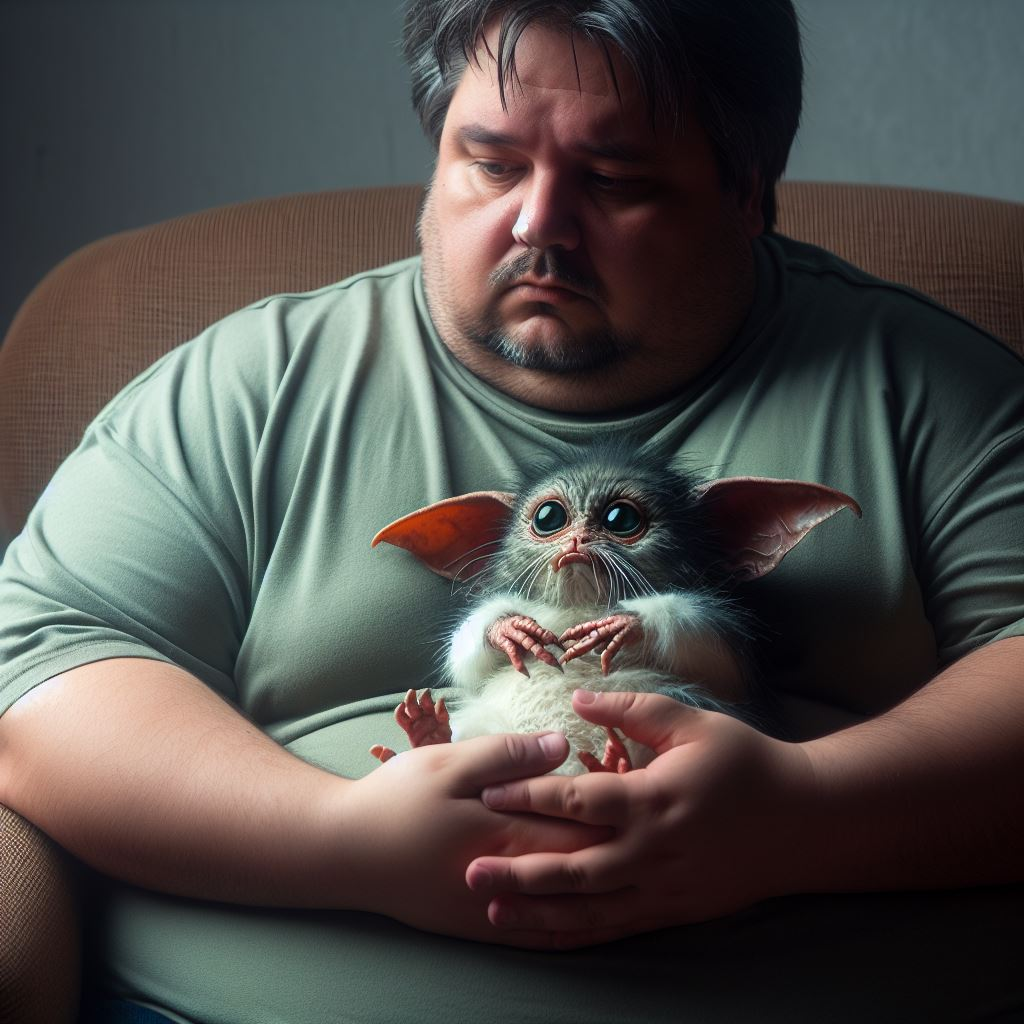
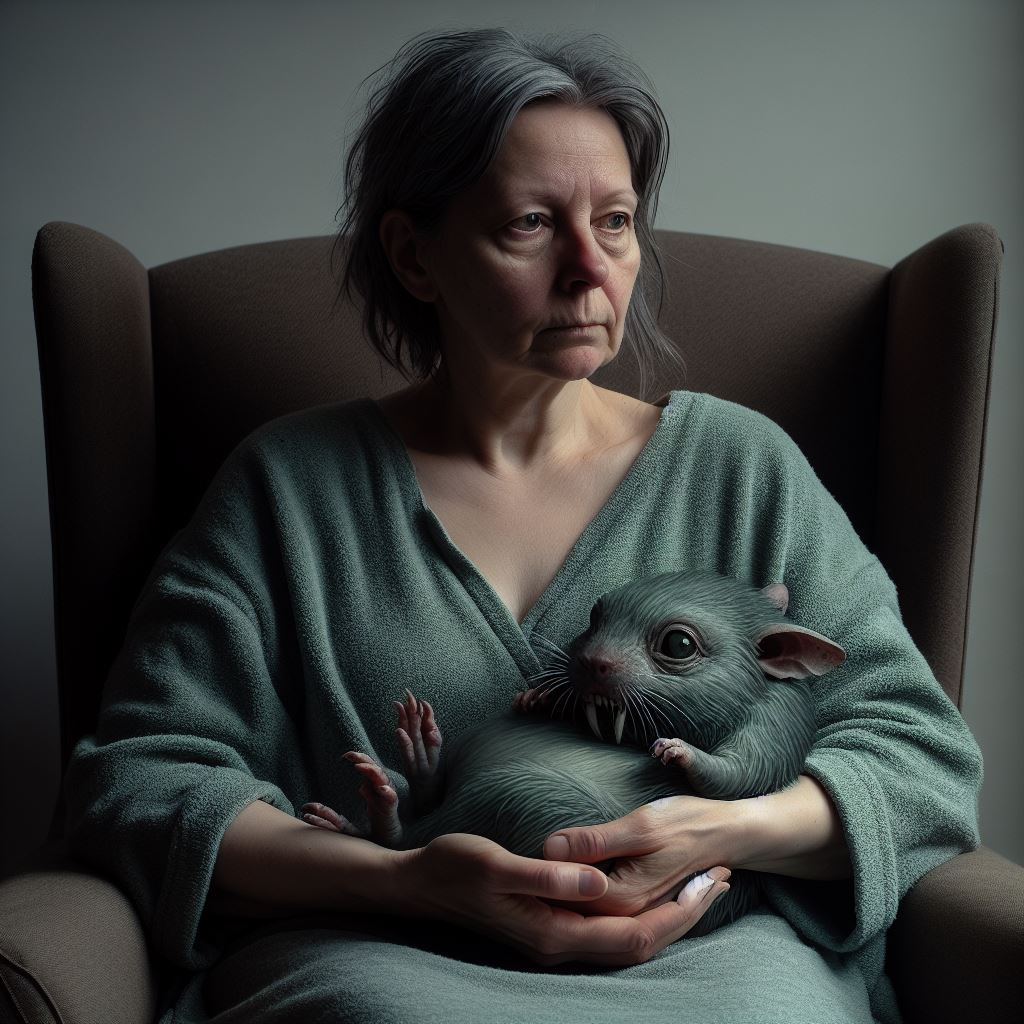
The decline of nature is in no small part due to the elevated status that humanity grants itself. Humans inherently see themselves as better or more important than other life and this opens the floodgates for the destruction of nature in the name of propagating our “special” species. Yes we are precious, but so is all of nature. The status we grant ourselves has caused a disastrous imbalance to the natural order of things.
Unrestricted forest destruction and river-loss over the centuries has led us to where we are now, with nature on its knees. Rivers are dead and dying. Seas are polluted and devoid of fish, replaced by plastic. Orangutans face off to bulldozers. Who do you think comes out on top? Species are constantly driven to extinction.
Humanity is a selfish race and there are many examples. Christianity is just one such example of humanity’s double edged sword, with its capacity for good and evil. The elevation of human spirit, exclusivity of the one true god, and lack of tolerance for other beliefs meant that nature itself was deprioritized over the centuries. Spanish conquistadors burning and hanging indigenous people in the Americas for their belief in living rivers and forests. Our own true nature was forgotten.
It’s not right or fair to single out just one organization, religious or otherwise. There are parallels between the way Christianity elevated the human spirit and the way industry, capitalism, and large corporations believe in their god-given right to unfettered expansion. It’s not enough to survuve. You have to thrive. It’s not enough to thrive, you have to grow. It’s not enough to win, you have to see your competitor lose. Humanity has treated nature not as an entity with which we are codependent. We have treated nature as if it is a competitor.
These large organizations must take a close look at themselves and repent. But they must do more than that. They must do something to recognize the importance of the natural world that we depend on, and that depends on us. In haste, more initiatives are needed to reverse the damage that they have led the charge on. They must accept some accountability and turn the immense influence and resource at their disposal towards fixing this mess.
It is a very human, self-destroying disease that causes us to believe we are more important than nature itself, forgetting that we cannot be separated from nature. I wrote before how scientific theory teaches us that all things must end. All order must become chaos. The hope of salvation lies in life itself, as the force that attempts to continue by self-organizing, solving problems, and propagating not just itself, but the environment in which it must exist. Ultimately life must find a way to prevent the end of the universe. But what hope does life have if it carries this disease of self destruction through self importance?
Well, I believe there is hope. The moral measure of a society is in how it treats it’s most vulnerable. Some societies are consumed by capitalism and the relentless pursuit of power with disregard for the consequences. However, others do seem to care; do seem to strive towards a balance. Even within a wider society of blissful ignorance and greed, there are good people to be found. Selfless volunteers and campaigners who dedicate their time or even their lives to nature’s salvation.
I know because I found one of these groups on my own doorstep. Even before they were an organized group, there they were, the whole time, looking for a cause that they could channel their energy and good will into.
I’ve lived here for 13 years and the river has been there the whole time. I casually appreciated the river in the occasional spare moment but for some reason, the connection was not strong. Large sections of the river, including right outside my house dried up for more than a year due to low rainfall combined with over extraction by the water companies and major infrastructure projects upstream. Fish died, swans moved away.
The rain returned, the infrastructure project finished, the river flowed again, and in time, the life also came back.
In a year of dark depression a chance connection was made between this lowly mortal and an older, wiser River Ranger. A magical summer followed, of hard work in the river clearing blockages, installing deflectors, and experiencing this wild nature hidden in plain sight within suburbia.
Being outside in nature is like medicine for the soul. The darkness imposed by an incredibly tough year at work may well have pushed me over the edge if it had not been for the river. Even in the autumn and winter, getting in the river to work (which is not something I ever thought I would relish) brings you to life. The reward of seeing the results of your labour is addictive. The river makes you feel alive. The river was there for me when I needed it most. I wish I had known how to get involved with it sooner. Whatever you give to the river, it gives back to you tenfold.
Now that I think about humanity and the way it has treated the river and nature, I question what it would be like if more people did care. Would the river become a different type of resource, with contention for the time to spend in it and around it, enjoying it’s life giving powers? Would humanity in it’s vast numbers be capable of caring for nature without destroying it in the process? Fighting to the death over the correct way to look after it? Losing their sanity over whom gets the credit?
Realistically and unfortunately I don’t believe that this is a problem we will ever have. There are different camps of people when it comes to nature. Which one do you fit into? Those who work to protect nature? Those who actively get out and enjoy it recreationally? Those who pass it every day without knowing it is even there? Those who bend it to their selfish will without knowing or caring about the consequences? Or those who trample all over it in the name of progress?
The sad reality is that in the long run, and we’re talking millions of years here, nature will probably make a full recovery. But not until after it has become so sick that it can no longer support the vastness of humanity’s greed, and further population growth until the basic needs for survival can no longer be met. We are doing this to ourselves.
Whichever camp you are in, nature is always there waiting to be enjoyed, cared for, rescued, or abused. The River Calls. How will you answer?